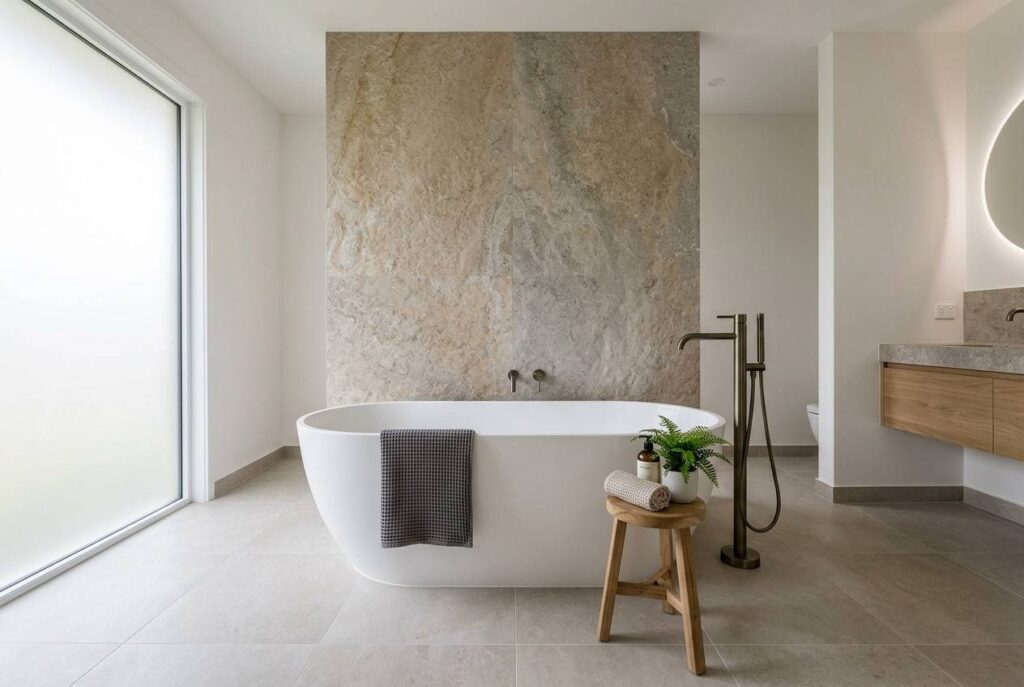
Adding a Bathtub can instantly make a bathroom feel more relaxing, elegant, and premium. It can turn an ordinary bathroom into a more comfortable retreat, especially when it is planned together with the right tiles, lighting, fittings, and layout.
However, a bathtub should not be added simply because it looks beautiful in a showroom or design reference. Good Bathroom Design requires careful planning. The bathtub must suit the available space, plumbing layout, user lifestyle, and overall bathroom concept.
If the bathtub is too large, placed in the wrong position, or not matched with the right fittings, the final bathroom may look attractive but feel inconvenient to use. To create a practical and Designer bathroom, here are the common mistakes to avoid before adding a bathtub.
Mistake 1: Choosing a Bathtub Before Planning the Layout
One of the biggest Bathroom Design mistakes is choosing the bathtub before confirming the layout. A bathtub may look perfect in a catalogue, but it still needs to fit your real bathroom space.
Before selecting the bathtub, consider the position of the door, window, vanity, WC, shower area, and walking space. The bathtub should not block movement or make the bathroom feel cramped. There should be enough room to enter, exit, clean around the bathtub, and use other bathroom fixtures comfortably.
For smaller bathrooms, a compact bathtub or built-in bathtub may be more suitable than a large freestanding design. For a spacious master bathroom, a freestanding bathtub can become a beautiful centrepiece if there is enough surrounding space.
Mistake 2: Ignoring the Actual Bathroom Size
Many homeowners want a bathtub because it gives a luxury feeling, but not every bathroom has the right size for one. Forcing a bathtub into a small space can make the bathroom feel tight and uncomfortable.
A good Designer bathroom should feel balanced. The bathtub should enhance the space, not overpower it. If the room is too small, you may need to choose a slimmer bathtub, reposition other fixtures, or consider whether a premium shower area would be more practical.
It is important to measure the bathroom properly before making a decision. Do not only measure the bathtub length and width. Also consider clearance space, tap position, drainage, and the area needed for cleaning and maintenance.
Mistake 3: Forgetting About Plumbing and Drainage
A bathtub is not just a decorative feature. It requires proper plumbing, drainage, water supply, and installation planning. One common mistake is selecting a bathtub style without checking whether the bathroom structure can support the required plumbing work.
For example, a freestanding bathtub may need a floor-mounted mixer, while a built-in bathtub may need different wall or deck-mounted fittings. The drainage position must also be planned carefully to avoid future leakage or installation problems.
Before confirming the bathtub, speak with a bathroom specialist or renovation contractor. This helps ensure the selected bathtub works with your bathroom’s technical requirements.
Mistake 4: Choosing Style Over Comfort
A bathtub should look beautiful, but comfort is just as important. Some bathtubs may look stylish but may not feel comfortable for actual use.
When choosing a Bathtub, consider the internal shape, depth, back support, length, and how the user will sit or recline inside it. A bathtub that is too shallow may not feel relaxing, while one that is too deep may be difficult for some users to enter and exit.
A well-planned Bathroom Design should balance style and comfort. The best bathtub is not always the biggest or most dramatic one. It is the one that suits your space, body comfort, and daily lifestyle.
Mistake 5: Not Matching the Bathtub with the Bathroom Concept
A bathtub should match the overall bathroom style. If the bathtub design does not connect with the tiles, basin, tap, mirror, and accessories, the bathroom may feel mismatched.
For a modern minimalist bathroom, a clean freestanding bathtub with simple lines may work well. For a warm luxury bathroom, a bathtub paired with soft lighting, stone-look tiles, and brushed fittings can create a more relaxing mood. For a hotel-inspired Designer bathroom, the bathtub can be placed as a visual feature with a statement wall behind it.
The goal is to make the bathtub feel like part of the full design, not an item added at the last minute.
Mistake 6: Overlooking Bathtub Tap Placement
The bathtub tap is a small detail that can make a big difference. If the tap is placed wrongly, it can affect comfort, water flow, and the overall appearance of the bathtub area.
Some bathtubs work better with wall-mounted mixers, while others look more refined with floor-mounted mixers. Built-in bathtubs may use deck-mounted fittings. The right choice depends on the bathtub type, bathroom layout, and design concept.
When planning the bathtub area, it is useful to think about designer faucets and shower taps together. This helps create a more consistent look across the whole bathroom.
Mistake 7: Not Considering Cleaning and Maintenance
A bathtub area may look elegant, but it must also be easy to clean. If there is not enough space around the bathtub, cleaning can become difficult. This is especially true for freestanding bathtubs placed too close to the wall.
Material choice also affects maintenance. Some bathtub finishes may require more care than others. Homeowners should understand how to clean and maintain the bathtub before purchasing it.
A practical Bathroom Design should make daily use and cleaning easier. Luxury should not only be about appearance. It should also make the bathroom more comfortable and convenient over time.
Mistake 8: Poor Lighting Around the Bathtub Area
Lighting can completely change the feeling of a bathtub area. A bathtub placed under harsh lighting may not feel relaxing, while poor lighting can make the area look dull.
For a Designer bathroom, consider layered lighting. Soft ceiling lights, wall lights, mirror lighting, or indirect LED lighting can help create a calmer mood. If the bathtub is placed near a feature wall, lighting can also highlight the wall texture and make the space feel more premium.
Natural light can also work beautifully if privacy is managed properly. A bathtub near a window can feel relaxing, but privacy, heat, and glare should be considered.
Mistake 9: Forgetting About Safety
Safety is often overlooked when adding a bathtub. Wet floors, high bathtub sides, and poor access can increase the risk of slipping.
Choose floor tiles with suitable slip resistance, especially around the bathtub area. Make sure there is enough space to step in and out safely. For family homes, elderly users, or children, safety should be planned carefully from the beginning.
A beautiful bathroom should still be practical for the people using it every day.
Mistake 10: Not Visiting a Showroom Before Buying
Photos can help you get ideas, but they may not show the real size, shape, texture, and comfort of a bathtub. Visiting a showroom allows you to see the bathtub in person and compare it with other bathroom products.
At the best bathroom showroom in Malaysia, homeowners can also view how bathtubs are matched with basins, taps, mirrors, accessories, and premium bathroom brands. This makes it easier to visualise the final bathroom concept.
A showroom visit is especially useful when planning a luxury bathroom design or choosing products for a premium home renovation. It helps you make a more confident decision before installation begins.
Conclusion
Adding a Bathtub can be a great way to upgrade your bathroom, but it must be planned carefully. The right bathtub can improve comfort, enhance the overall design, and create a more relaxing space. The wrong choice can make the bathroom feel cramped, difficult to maintain, or less practical for daily use.
Good Bathroom Design should always consider space, layout, plumbing, comfort, style, lighting, maintenance, and safety. A bathtub should not only look beautiful. It should also work well with the way you use the bathroom every day.
If you are planning a Designer bathroom with a bathtub, Trii Concept can help with bathroom design planning, product selection, and showroom consultation. From luxury bathroom design ideas to premium fittings and complete bathroom solutions, the right guidance can help you create a bathroom that feels refined, comfortable, and long-lasting.